a practical guide to modern website optimization for seo, aeo, and geo.
july 26, 2026
search has changed more in the last couple of years than it did in the previous decade. instead of simply typing keywords into google, users are now asking questions directly to chatgpt, gemini, perplexity, claude, and ai overviews. these platforms don't just return a list of links they generate answers by understanding, summarizing, and citing information from multiple sources. this shift has introduced new terms like answer engine optimization (aeo) and generative engine optimization (geo). while these concepts are becoming increasingly popular, they're often presented as replacements for seo, which creates more confusion than clarity. the reality is much simpler. good technical seo is still the foundation. aeo and geo are extensions of that foundation, helping your content become easier for both search engines and ai systems to understand.
in this guide, we'll look at what has actually changed, separate the hype from the facts, and discuss practical improvements that benefit all 3 without rewriting your entire website for every new search trend.
why website optimization has changed
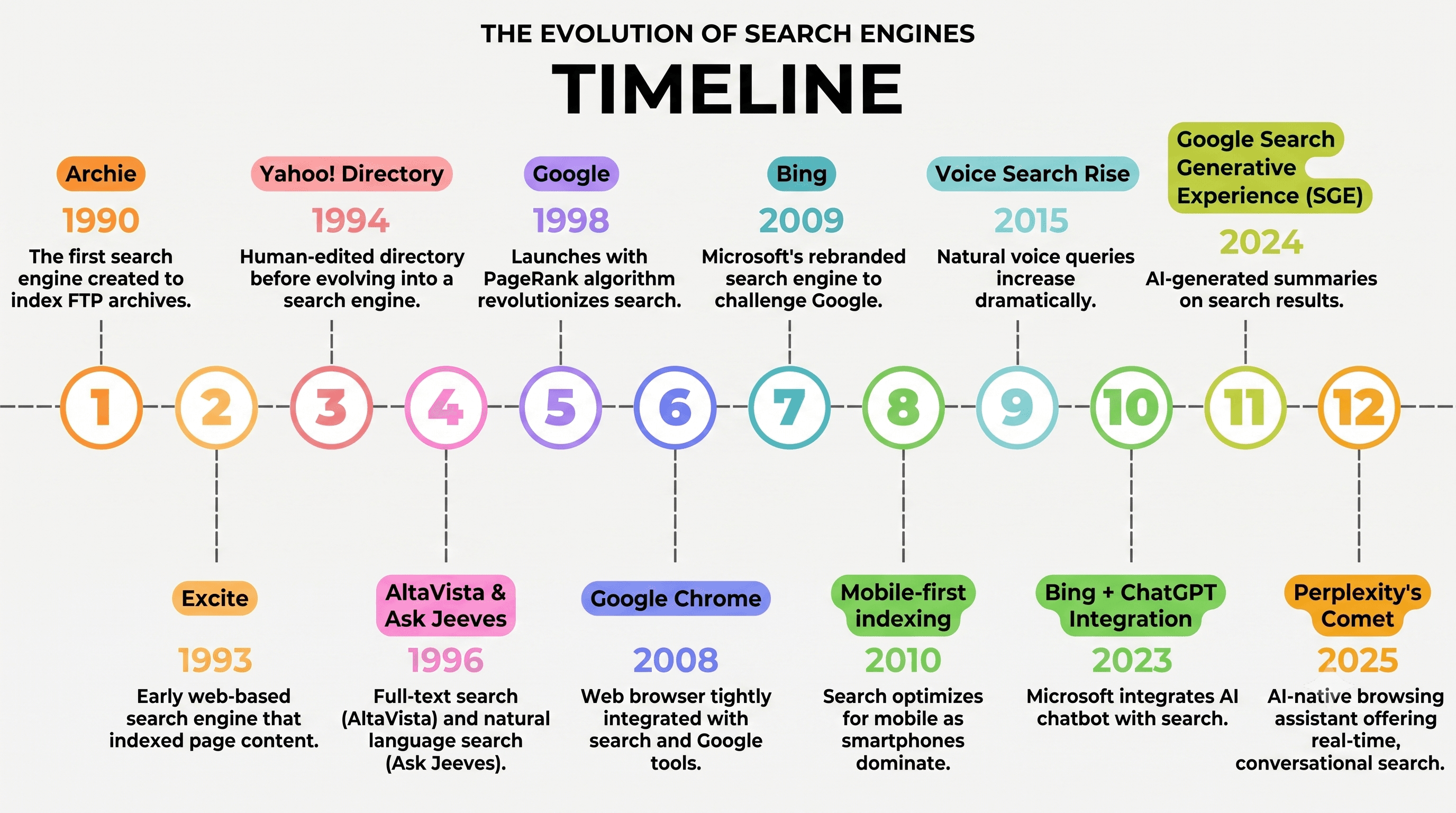
for years, website optimization followed a fairly predictable pattern. you researched keywords, wrote content around them, improved page speed, earned backlinks, and hoped your page ranked higher on search engine results. that approach still works but search has evolved. today, users expect direct answers instead of scrolling through multiple links. search engines have responded by introducing ai-powered experiences that summarize information before a user even visits a website. at the same time, platforms like chatgpt, perplexity, and gemini have become common starting points for finding information. this doesn't mean websites are becoming less important. quite the opposite. every ai-generated response is built on information published somewhere on the web. if your content is clear, trustworthy, technically sound, and easy to understand, it has a better chance of being discovered, referenced, or cited.
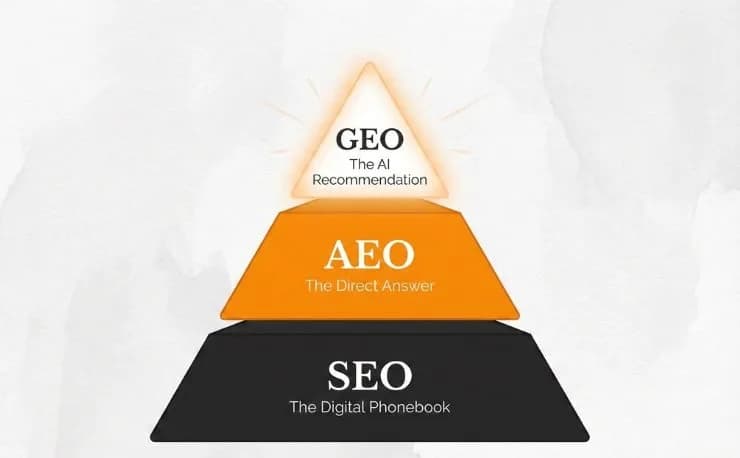
this is where the three terms fit together:
| optimization | primary goal |
|---|---|
| seo | help search engines discover, understand, and rank your pages. |
| aeo | structure content so it directly answers user questions. |
| geo | increase the likelihood that ai systems reference or cite your content in generated responses. |
rather than treating them as separate strategies, think of them as different layers of the same objective: making your website easy for both humans and machines to understand. many of the practices overlap. fast websites, semantic html, well structured content, and clear writing improve the experience for users while also making it easier for search engines and ai models to interpret your pages. that's why the smartest approach isn't to optimize separately for seo, aeo, and geo. it's to build websites that communicate information clearly, regardless of how someone discovers them.
seo: the foundation you can't skip
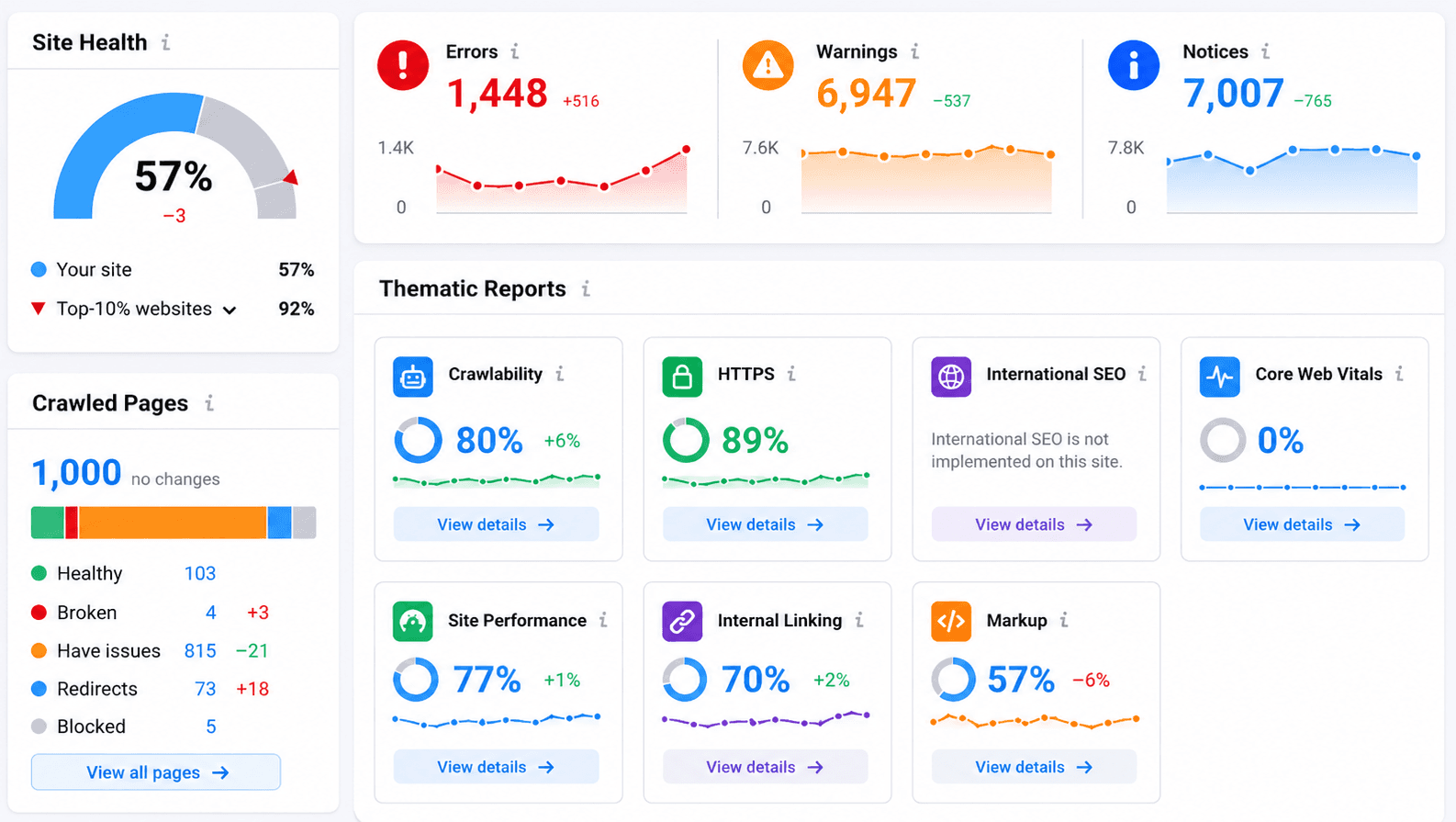
it's tempting to jump straight into optimizing for ai search, but doing so without strong seo fundamentals is like building a second floor before laying the foundation. whether your content is discovered through google search, ai overviews, or a conversational ai assistant, it still needs to be accessible, understandable, and trustworthy. in fact, google's guidance for ai-powered search emphasizes many of the same best practices that have defined good seo for years.
here are a few fundamentals every modern website should get right:
- use descriptive page titles and meta descriptions.
- structure content with semantic headings (
h1,h2,h3). - keep urls short and meaningful.
- ensure pages load quickly across devices.
- make content crawlable by avoiding unnecessary client-side rendering.
- create logical internal links between related pages.
- submit an xml sitemap and configure
robots.txtcorrectly.
for developers, semantic html is one of the easiest wins. compare these two examples:
<div class="article">
  <div class="title">a practical guide to seo</div>

  <div class="section">
    <div class="heading">why seo matters</div>
    <div class="content">
      ...
    </div>
  </div>
</div>
versus:
<article>
  <h1>a practical guide to seo</h1>

  <section>
    <h2>why seo matters</h2>
    <p>...</p>
  </section>
</article>
both render similarly in a browser, but the second example communicates meaning not just appearance. search engines, screen readers, and ai systems can understand the document structure far more effectively. another often overlooked aspect is page performance. users may tolerate a slow loading dashboard after logging in, but they rarely wait for a blog post or landing page. optimizing images, reducing unnecessary javascript, and improving core web vitals not only creates a better user experience but also makes your site more competitive in search. before thinking about aeo or geo, ask yourself a simple question:
if a search engine crawled this page today, would it clearly understand what the page is about, who it's for, and why it's valuable? if the answer is yes, you've already completed the most important step in modern website optimization.
aeo: optimize for answers, not just rankings
traditional seo was largely built around helping users find the right page. aeo, or answer engine optimization, takes that a step further by helping users find the answer itself. instead of matching pages primarily through keywords, modern search systems try to understand the intent behind a question. that's why queries like "how do i optimize metadata in next.js?" often return a direct explanation before showing a list of links. this changes how we should write technical content. rather than trying to repeat a keyword multiple times, focus on answering a specific question as clearly as possible. a good answer should be understandable even if someone reads only a small section of the page. for example, compare these two introductions.
keyword-focused :
next.js metadata is important for next.js seo because next.js metadata helps search engines understand your next.js application.
answer-focused:
metadata in next.js provides search engines with information such as the page title, description, canonical url, and social sharing tags. configuring it correctly improves how your pages appear in search results and across social platforms.
the second version is easier for both people and ai systems to understand. another effective practice is organizing content into logical sections that answer one question at a time. instead of writing a long wall of text, structure your article like this :
## what is schema markup?
...

## why does schema matter?
...

## how do i add schema in next.js?
...

## common mistakes
...
this approach improves readability while making it easier for search engines and ai models to identify individual answers.
structured data also plays an important role. adding schema markup gives search engines additional context about your content, increasing the chances of rich results and helping machines interpret the page more accurately.
for example, a technical article can include an article schema, while a tutorial may benefit from howto or faq schema where appropriate.
remember, though, schema should describe the content it shouldn't be added simply because it exists. inaccurate or misleading structured data provides little value and may even be ignored.
at its core, aeo isn't about writing for ai.
it's about writing so clearly that both humans and machines arrive at the same understanding.
geo: earning trust in the age of generative search
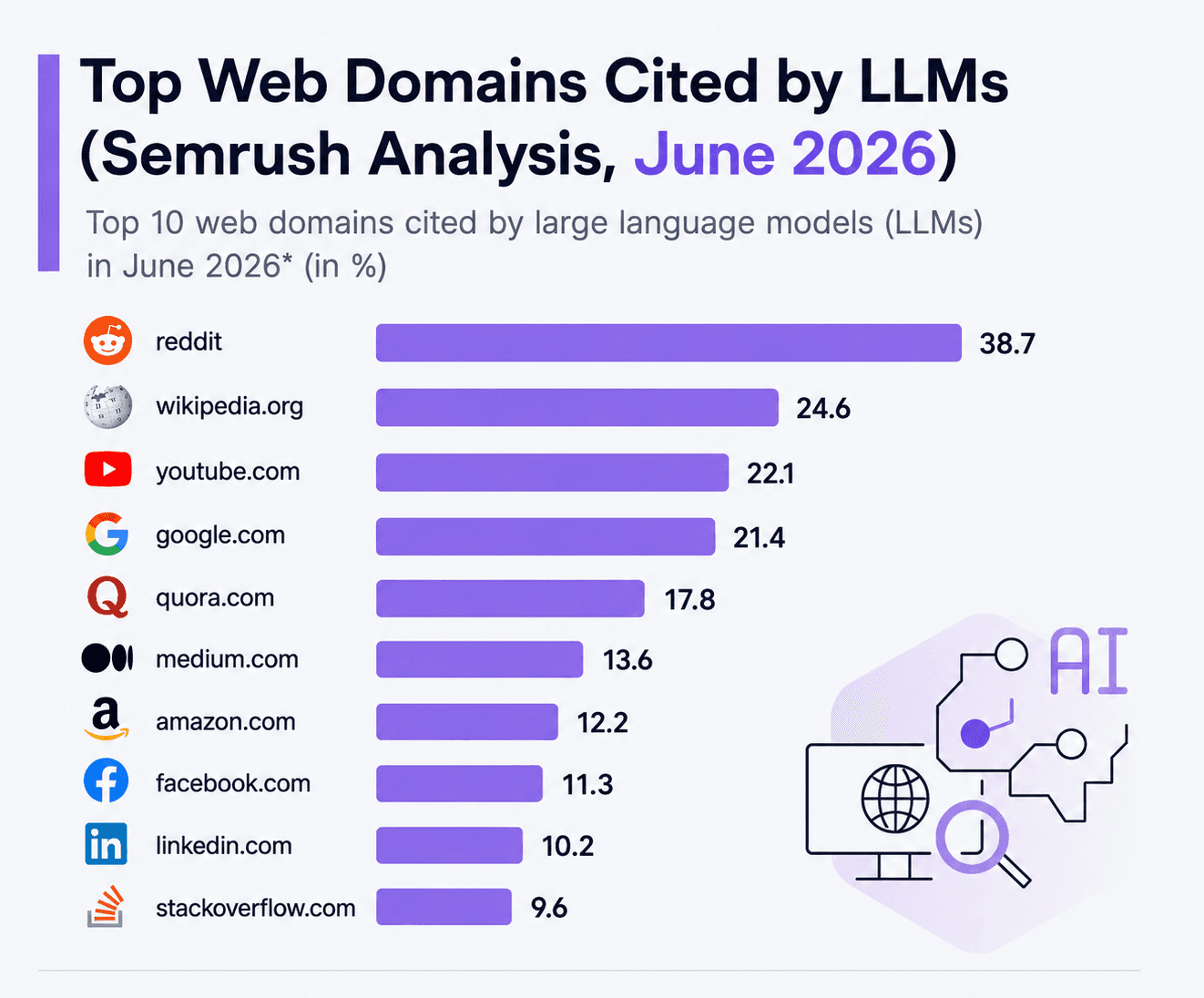
if seo helps people discover your content and aeo helps answer their questions, geo focuses on something slightly different: making your content worth referencing. when ai assistants generate a response, they don't simply copy a webpage. instead, they analyze information from multiple sources, identify common patterns, and produce a synthesized answer. the sources they rely on are typically those that appear accurate, well-structured, and trustworthy. that means the goal isn't to "rank for ai." it's to become a source that ai systems are confident citing. in practice, this doesn't require a completely new strategy. instead, it encourages developers and content creators to focus on quality signals that have always mattered.
for example:
- publish original insights instead of rewriting existing articles.
- explain why something works, not just how.
- support claims with reliable references whenever possible.
- keep tutorials updated as frameworks and libraries evolve.
- avoid publishing shallow content created only to target keywords.
suppose you're writing about metadata in next.js. rather than only showing the implementation, explain why each property exists and when it should be used.
export const metadata = {
  title: "modern website optimization",
  description:
    "a practical guide to seo, aeo, and geo",
};
a code snippet like this is useful, but it's the surrounding explanation that makes the content valuable. ai systems are far more likely to rely on pages that combine examples with context instead of providing isolated snippets.
another important factor is consistency.
if different sections of an article contradict one another or make unsupported claims, it becomes harder for both readers and machines to trust the content. clear language, accurate information, and logical flow are often more valuable than trying to optimize for every new ai trend.
it's also worth mentioning one of the biggest misconceptions surrounding geo.
you may have come across advice suggesting that adding an llms.txt file or rewriting every paragraph specifically for ai will dramatically improve visibility. at the time of writing, there is little evidence that these practices alone increase the likelihood of appearing in ai-generated responses. major search providers continue to emphasize creating helpful, reliable content over chasing shortcuts.
ultimately, geo is less about gaming ai systems and more about becoming a source that deserves to be referenced.
if your content is accurate, easy to understand, technically sound, and genuinely useful, you're already moving in the right direction.
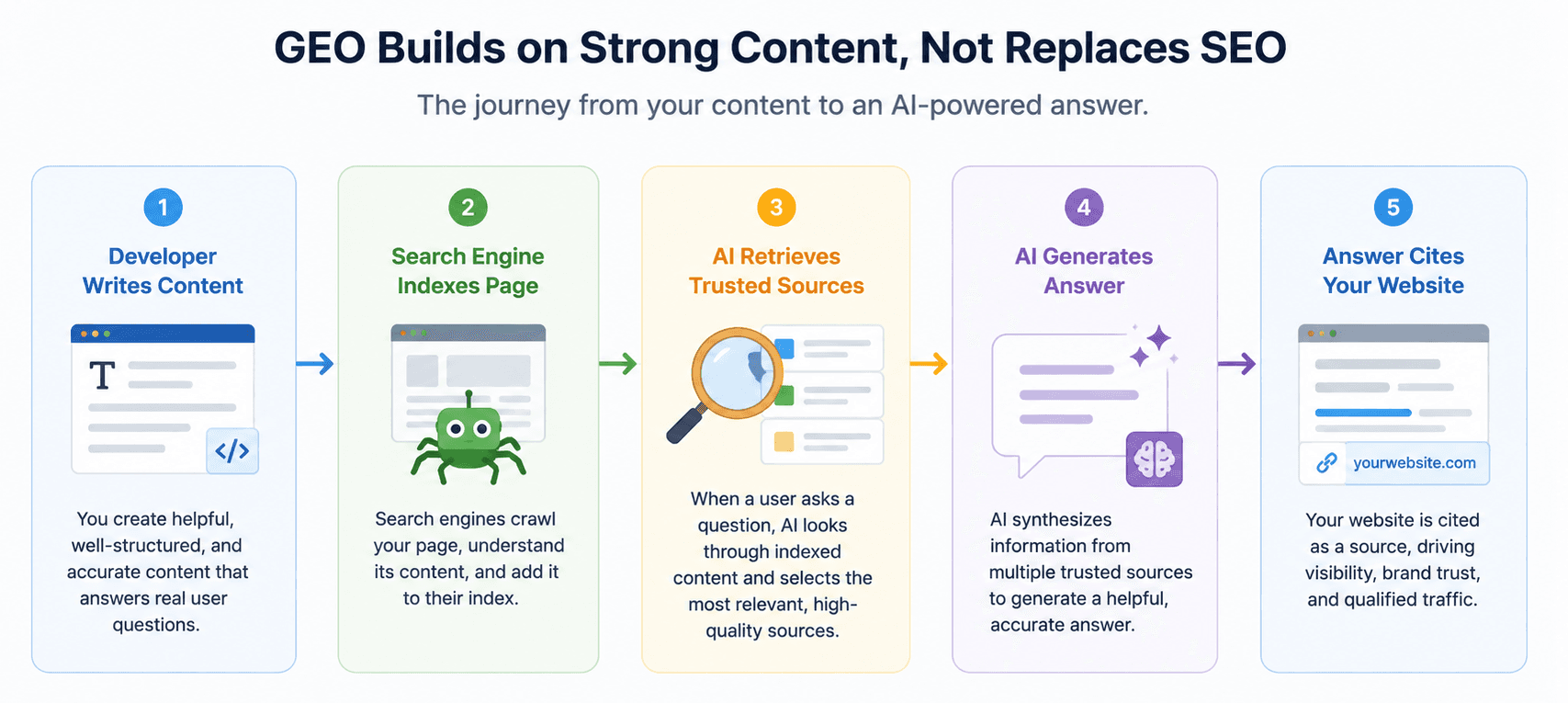
bringing it all together: one strategy for seo, aeo, and geo
after looking at seo, aeo, and geo individually, it's easy to think they require three different optimization strategies.
they don't.
in reality, the same improvements often benefit all three. a fast, well-structured page is easier for search engines to crawl, easier for users to navigate, and easier for ai systems to understand. similarly, clear headings, descriptive code examples, and logical content flow improve readability regardless of where someone discovers your website.
instead of maintaining separate checklists, think of your content like this :
valuable content
        ↓
technical seo
        ↓
clear, answer-focused structure
        ↓
higher visibility across search and ai systems
every new article or landing page should aim to answer four simple questions :
- does this page solve a real problem?
- is the information technically accurate?
- can both humans and machines understand its structure?
- is there enough original value that someone would reference it?
if the answer to each question is "yes," you're already following the principles behind modern website optimization. here's a practical checklist i use before publishing any technical article or documentation.
pre-publish checklist :
- write a clear, descriptive title.
- use a single
h1and logical heading hierarchy. - optimize images with meaningful
alttext. - add internal links to related content.
- keep paragraphs short and easy to scan.
- include code snippets only when they improve understanding.
- cite reliable sources for factual or technical claims.
- test page performance using lighthouse or pagespeed insights.
- verify that metadata is accurate.
- update older articles when frameworks or best practices change.
none of these recommendations exist solely for seo, aeo, or geo. they exist because they improve the overall quality of your website. that's also why they continue to work, even as search technology evolves.